Protecting Equipment, Preventing Leaks, and Minimizing Downtime Before Severe Weather Arrives
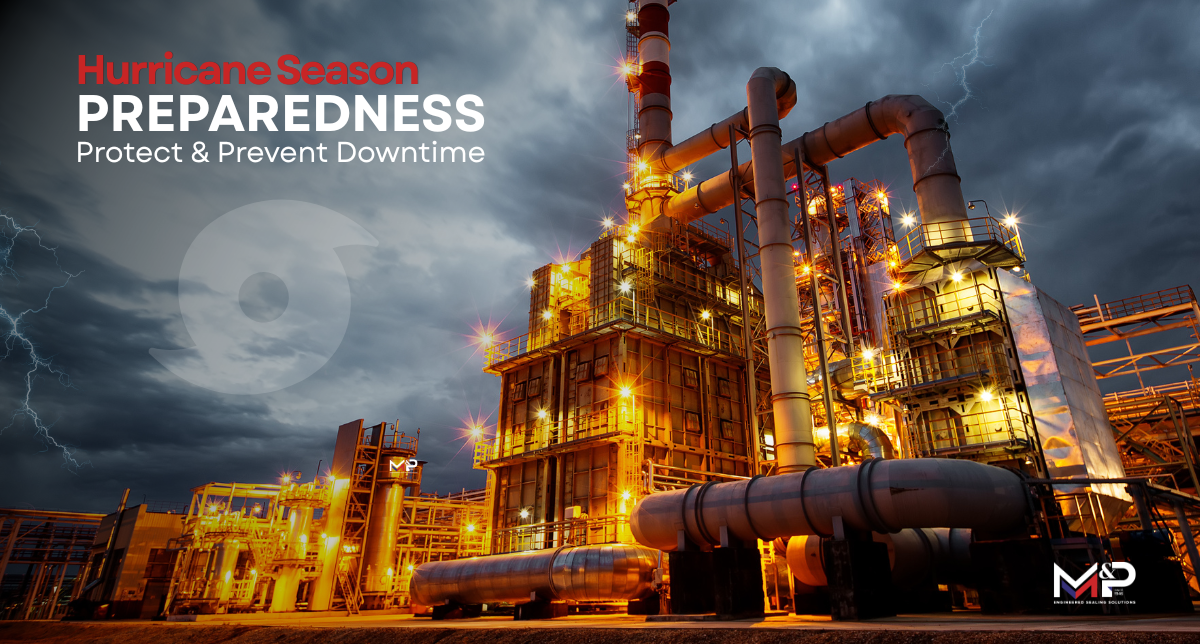
Every year, hurricane season brings operational challenges to industrial facilities throughout Texas, Louisiana, and the Gulf Coast. Refineries, chemical plants, power generation facilities, water treatment plants, marine terminals, and manufacturing operations must prepare for the possibility of severe weather, flooding, power disruptions, emergency shutdowns, and unexpected maintenance events.
While most hurricane preparedness plans focus on personnel safety, backup power systems, and facility protection, many facilities overlook one of the most critical areas of reliability: industrial sealing systems and maintenance inventory.
A damaged gasket, leaking flange connection, failed valve packing set, or missing replacement component can significantly delay recovery efforts following a storm. By proactively inspecting equipment and reviewing spare parts inventory before severe weather arrives, maintenance teams can reduce downtime, improve safety, and accelerate plant startup after the storm has passed.
Inspect Flanged Connections Before the Storm
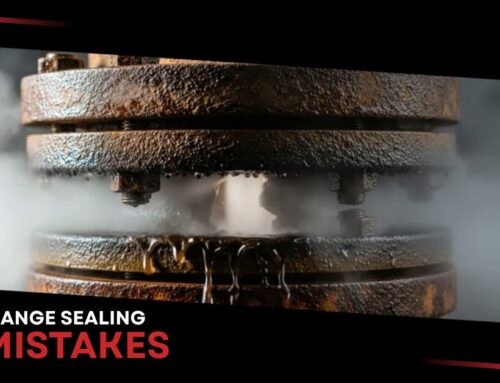
Flanged connections are among the most common sources of leaks in industrial piping systems. During hurricane season, facilities often experience rapid shutdowns, extended downtime, moisture exposure, and fluctuating operating conditions that can place additional stress on gasketed joints.
Before severe weather arrives, maintenance personnel should conduct inspections of critical flange connections throughout the facility. Particular attention should be given to process piping, heat exchangers, pressure vessels, storage tanks, pumps, and valve assemblies that are essential to plant operations.
Signs that a flange may require maintenance include visible corrosion, bolt deterioration, gasket creep, previous leak history, or evidence of product accumulation around the connection. Facilities should also review equipment that has experienced frequent thermal cycling, vibration, or pressure fluctuations, as these conditions can accelerate gasket wear and compromise sealing performance.
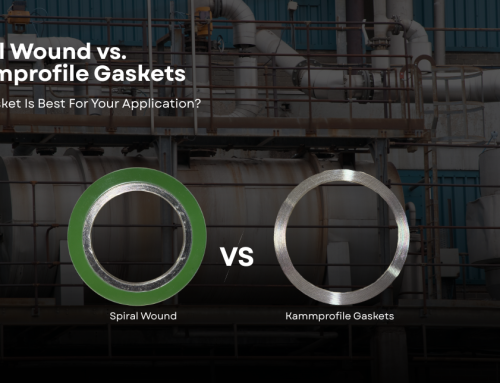
Industrial gaskets such as spiral wound gaskets, kammprofile gaskets, corrugated metal gaskets, ring type joints, and PTFE gaskets should be evaluated as part of the inspection process. Replacing aging gaskets before hurricane season can help prevent costly failures and reduce the likelihood of leaks during startup and recovery operations.
Why Industrial Facilities Should Review Spare Parts Inventory Before Hurricane Season
One of the most common challenges facilities face after a major storm is obtaining replacement parts quickly enough to resume operations. Transportation disruptions, supply chain delays, workforce shortages, and increased demand often create extended lead times for critical maintenance components.
Reviewing spare parts inventory before hurricane season allows facilities to identify shortages before they become operational problems.
Maintenance managers should verify stock levels for commonly used industrial gaskets, valve packing, O-rings, flange insulation kits, fasteners, and specialty sealing materials. Equipment that is considered mission-critical should receive additional attention, as delays in obtaining replacement components can significantly impact production schedules.
Facilities operating along the Gulf Coast frequently maintain emergency inventory programs designed to support critical repairs during hurricane recovery. These programs help ensure that replacement components are available when needed, reducing reliance on expedited shipping and emergency sourcing efforts during regional weather events.
By reviewing inventory levels before severe weather arrives, facilities can minimize downtime and improve overall operational resilience.
Building an Emergency Spare Parts Program
An effective emergency spare parts program goes beyond simply storing extra materials in a warehouse. The most successful programs identify critical assets, prioritize high-risk equipment, and establish inventory levels based on operational importance and replacement lead times.
Facilities should begin by evaluating equipment that would create the greatest operational impact if it failed during or after a storm. Heat exchangers, pressure vessels, pumps, compressors, valves, and process piping systems often represent high-priority assets.
Once critical equipment has been identified, maintenance teams should determine which sealing products are required to support emergency repairs. This may include spiral wound gaskets, ring type joints, kammprofile gaskets, corrugated metal gaskets, compressed fiber gaskets, PTFE gaskets, graphite sheet material, valve packing, and custom sealing components.
Emergency spare parts programs should also include fasteners, studs, nuts, washers, and specialty hardware required for flange assembly and maintenance activities.
Facilities that maintain comprehensive spare parts programs are often able to resume operations faster following severe weather events because the materials needed for repairs are already available on site.
Common Causes of Leaks During Plant Restarts After Severe Weather
Many gasket failures do not occur during the storm itself. Instead, they occur during the startup process after equipment has been shut down for an extended period. Plant restarts introduce a variety of operating conditions that can affect gasket performance, including temperature changes, pressure fluctuations, thermal expansion, vibration, and equipment movement.
- One common cause of leaks is gasket relaxation that occurs while equipment sits idle. Over time, gasket materials can lose compression, reducing sealing effectiveness when systems are brought back online.
- Corrosion is another significant concern, particularly in coastal environments where moisture exposure may increase during severe weather. Corroded flange faces, damaged fasteners, and degraded sealing surfaces can all contribute to startup leaks.
- Improper bolt loading, damaged flange surfaces, and previously existing maintenance issues may also become more apparent during restart operations.
Conducting thorough inspections before startup can help identify potential issues before they develop into larger maintenance problems. Facilities should evaluate flange conditions, gasket integrity, fastener condition, and valve packing performance as part of any post-storm startup procedure.
How M&P Sealing Supports Emergency Turnarounds and Storm Recovery
When severe weather impacts industrial operations, response time becomes critical. Facilities often require replacement gaskets, custom sealing solutions, reverse-engineered components, and emergency manufacturing support to resume production safely and efficiently.
M&P Sealing supports industrial facilities throughout Texas, Louisiana, and the Gulf Coast with rapid turnaround manufacturing and responsive customer support during planned shutdowns, emergency maintenance events, and hurricane recovery efforts.
Our team manufactures a wide range of industrial gaskets, including spiral wound gaskets, kammprofile gaskets, corrugated metal gaskets, ring type joints, heat exchanger gaskets, PTFE gaskets, and custom-engineered sealing solutions. With in-house manufacturing capabilities, flash cutting services, and extensive material inventory, we can respond quickly when facilities need replacement components to support critical repairs.
Whether your facility is preparing for hurricane season, building an emergency spare parts program, or responding to unexpected maintenance requirements following severe weather, M&P Sealing can help identify the right sealing solution for your application.
Prepare Before the Storm Arrives
Hurricane preparedness is about more than weather forecasts and emergency response plans. Proactively inspecting flanged connections, reviewing spare parts inventory, establishing emergency stock programs, and addressing potential sealing issues before severe weather arrives can help reduce downtime, improve safety, and support faster plant recovery.
For industrial facilities across Texas, Louisiana, and the Gulf Coast, preparation today can help prevent costly maintenance challenges tomorrow.
Need help preparing your facility for hurricane season? Contact M&P Sealing to discuss industrial gaskets, emergency inventory programs, custom sealing solutions, and rapid turnaround manufacturing services.