
Choosing the Right Gasket Material for Extreme Summer Operating Conditions
Summer heat can create challenging operating conditions across refineries, chemical plants, power generation facilities, and industrial processing operations. As temperatures rise, equipment is subjected to increased thermal stress, fluctuating pressures, and more demanding operating environments. Selecting the right gasket material is critical to maintaining a reliable seal, preventing leaks, and supporting safe, efficient operations throughout the hottest months of the year.
Why Summer Conditions Matter
Higher ambient temperatures can impact gasket performance in several ways. Increased heat may accelerate material degradation, reduce gasket resilience, and contribute to thermal expansion of piping systems and equipment. Combined with pressure cycling and exposure to aggressive media, these conditions can place additional demands on sealing systems.
Choosing a gasket material designed for the specific temperature range, pressure requirements, and chemical environment helps reduce the risk of leaks, unplanned downtime, and costly maintenance.
Key Factors to Consider When Selecting a Gasket Material
Operating Temperature
Temperature is often the most important factor when selecting a gasket material. Some materials maintain their sealing properties at elevated temperatures, while others may harden, soften, or degrade over time.
When evaluating gasket materials, consider:
- Maximum operating temperature
- Temperature fluctuations and thermal cycling
- Continuous versus intermittent exposure
- Potential temperature spikes during upset conditions
A gasket material that performs well during normal operation may not provide adequate sealing during periods of extreme summer heat.
Chemical Compatibility
Heat can increase the aggressiveness of certain chemicals and process media. Ensuring compatibility between the gasket material and the substances being sealed is essential for long-term performance.
Common media considerations include:
- Acids and caustics
- Hydrocarbons
- Steam
- Solvents
- Process chemicals
Selecting a chemically resistant material helps prevent swelling, deterioration, and seal failure.
Pressure Requirements
Elevated temperatures often coincide with demanding pressure conditions. Gasket materials must be capable of maintaining sealing integrity under both pressure and temperature extremes.
Proper material selection should account for:
- Operating pressure
- Pressure fluctuations
- Flange condition
- Bolt load retention
Common Gasket Materials for High-Temperature Applications
CORR-A-SEAL® – Corrugated Metal Gaskets
CORR-A-SEAL® metal gaskets provide durability and strength for demanding operating environments where temperature and pressure conditions may exceed the capabilities of softer gasket materials.
Advantages include:
- Excellent mechanical strength
- Reliable performance under thermal stress
- Long service life
- Suitable for critical sealing applications
Flexible graphite is one of the most widely used materials for high-temperature sealing applications. It offers excellent thermal stability, chemical resistance, and sealing performance across a broad range of industrial environments.
Benefits include:
- Excellent temperature resistance
- Strong chemical compatibility
- Reliable sealing under thermal cycling
- Suitable for steam and hydrocarbon service
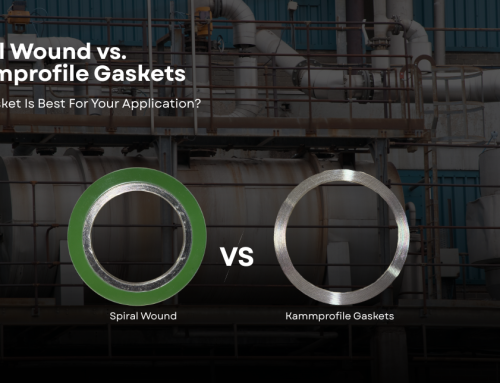
Spiral wound gaskets combine metal windings with soft sealing materials to provide exceptional performance in high-temperature and high-pressure applications.
Advantages include:
- Excellent recovery and resilience
- Strong performance during thermal expansion and contraction
- Suitable for critical process applications
- Reliable sealing under demanding operating conditions
PTFE gaskets offer outstanding chemical resistance and are commonly used in applications involving aggressive chemicals and corrosive media.
Benefits include:
- Broad chemical compatibility
- Non-contaminating material
- Excellent corrosion resistance
- Suitable for many industrial processing environments
While PTFE performs exceptionally in chemical service, operating temperatures should always be reviewed to ensure the material is appropriate for the application.
The Importance of Application-Specific Material Selection
There is no single gasket material that is ideal for every application. Factors such as operating temperature, pressure, media compatibility, flange condition, and equipment design must all be evaluated when selecting a sealing solution. Working with an experienced gasket manufacturer can help ensure the selected material is matched to the operating environment, improving reliability and reducing the risk of premature gasket failure.
Partner with M&P Sealing for Reliable Summer Performance
Extreme summer temperatures can place additional stress on industrial sealing systems. Selecting the right gasket material helps protect equipment, maintain process reliability, and support safe operations throughout the season. At M&P Sealing, we manufacture and supply a wide range of gasket materials and sealing solutions designed for demanding industrial environments. Our team can help identify the right material for your operating conditions, ensuring dependable sealing performance when temperatures rise.