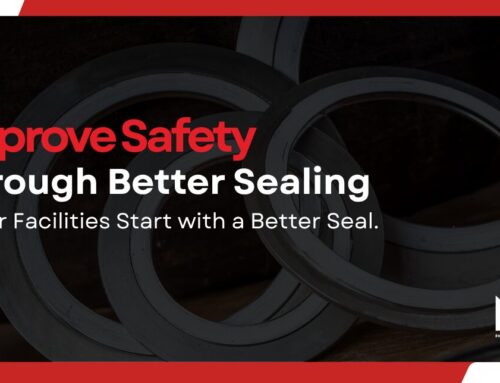

When it comes to transporting hazardous materials by rail, sealing performance isn’t optional, it’s critical. Our AAR approved A2X gaskets play a key role in ensuring railcars maintain pressure integrity, prevent leaks, and meet strict regulatory requirements.
This guide breaks down what A2X gaskets are, where they’re used, and how to ensure reliable performance in demanding railcar applications.
What Are A2X Railcar Gaskets?
A2X gaskets are designed to meet Association of American Railroads (AAR) specifications for tank car sealing. These gaskets are commonly used in:
- Manways
- Nozzles
They must withstand:
- Pressure fluctuations
- Chemical exposure
- Temperature variation
- Mechanical stress during transport
Why Sealing Performance Matters in Railcars
Railcar leaks aren’t just maintenance issues, they’re safety risks. Poor sealing can lead to:
- Product loss
- Environmental hazards
- Regulatory violations
- Costly downtime
That’s why choosing the right gasket material and design is essential.
Common Materials Used in A2X Gaskets
Material selection depends on the media being transported and operating conditions.
Typical options include:
- PTFE (Teflon): Excellent chemical resistance
- EPDM: Ideal for water-based and certain chemical applications
- Nitrile (Buna-N): Good for hydrocarbons and oils
- Viton® (FKM): High temperature and aggressive chemical resistance
Each material brings different strengths, and the wrong choice can lead to premature failure.
Key Performance Factors to Consider
When selecting an A2X gasket, focus on:
1. Chemical Compatibility Ensure the gasket resists degradation from the product being transported.
2. Temperature Range Extreme heat or cold can affect elasticity and sealing ability.
3. Compression Set Resistance Gaskets must maintain shape and sealing force over time.
4. Pressure Handling Railcars experience dynamic pressure changes—your gasket needs to hold.
Installation Best Practices
Even the best gasket will fail if installed incorrectly.
Follow these best practices:
- Inspect flange surfaces for damage or debris
- Ensure proper alignment before tightening
- Apply even bolt torque in a cross pattern
- Avoid over-compression
Proper installation extends gasket life and improves sealing reliability.
Inspection and Maintenance
Routine inspection is key to preventing failures. Look for:
- Cracking or hardening
- Chemical degradation
- Permanent deformation
- Leakage signs
Replacing worn gaskets before failure is far more cost-effective than dealing with a leak.
Why Work with M&P Sealing?
At M&P Sealing, we understand the demands of railcar applications.
We provide:
- Application-specific material recommendations
- Precision-cut gaskets
- Fast turnaround times
- Expertise in extreme operating environments
When sealing performance matters, experience makes the difference.
A2X railcar gaskets may be a small component, but they play a massive role in safety, compliance, and operational efficiency. Choosing the right material, installing it correctly, and maintaining it regularly ensures your railcar stays sealed no matter the conditions.