Heat Exchanger Gaskets
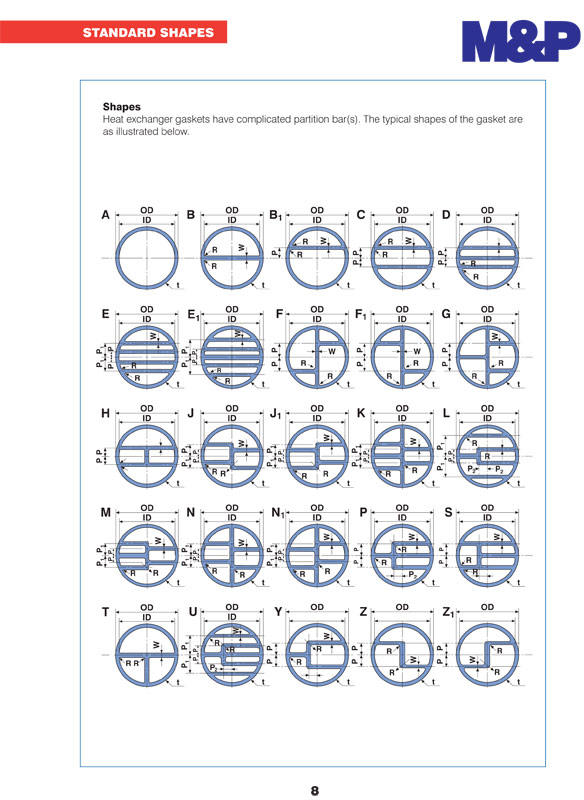
Heat exchangers play a critical role in transferring heat efficiently throughout industrial processes. To maintain system performance and prevent leaks, dependable gasket sealing is essential. Heat exchanger gaskets are specifically designed to seal flange connections, channel covers, bonnet assemblies, and other critical mating surfaces exposed to pressure, temperature fluctuations, and aggressive media.
M&P Sealing manufactures and supplies heat exchanger gaskets for a wide range of industrial applications. Whether you’re performing routine maintenance, replacing OEM gaskets, or requiring a custom sealing solution, our team can help identify the right gasket material and design for your operating conditions.
What Are Heat Exchanger Gaskets?
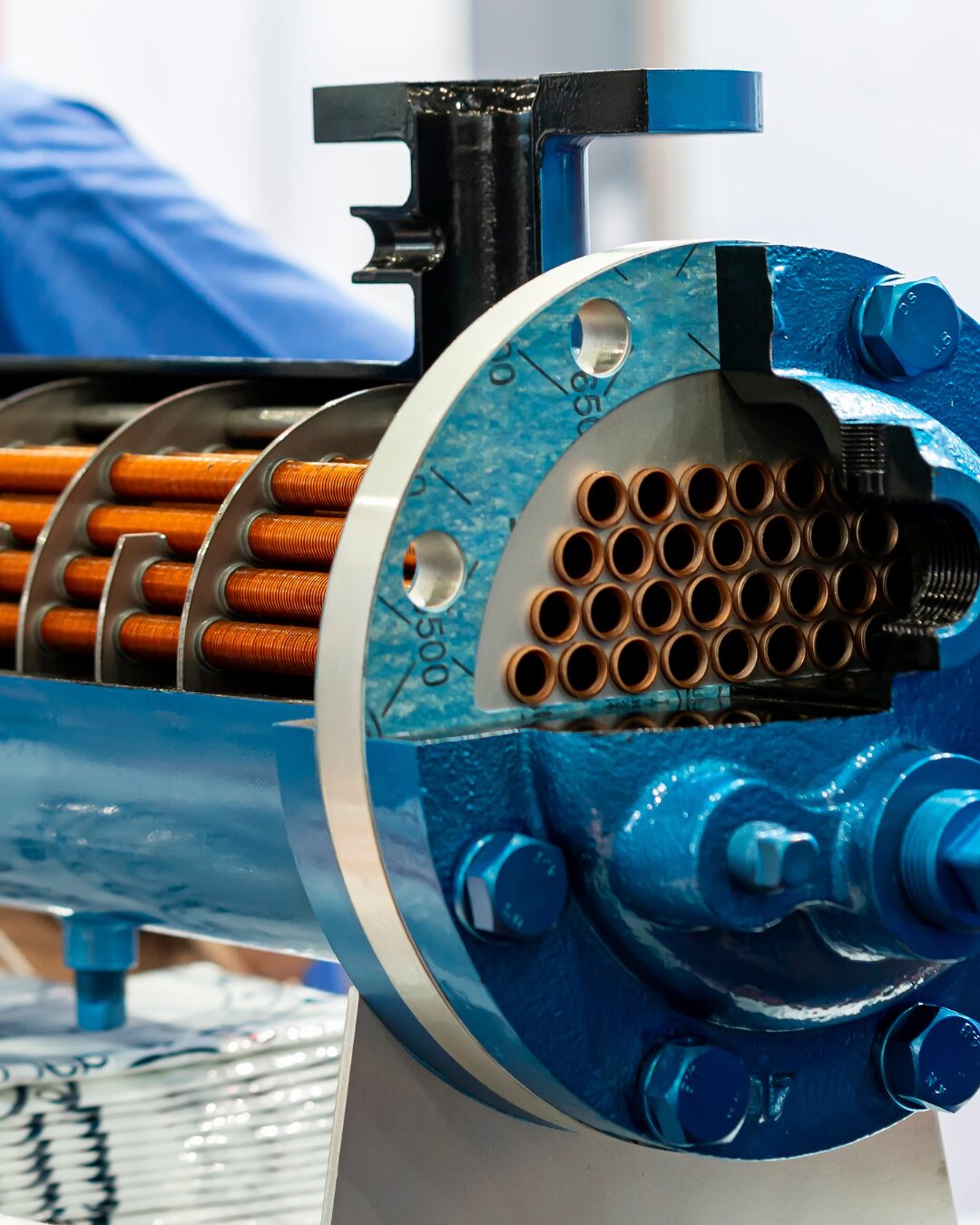
Heat exchanger gaskets are precision sealing components installed between mating flange surfaces to prevent fluid leakage while maintaining pressure and thermal efficiency. They are commonly used in shell and tube heat exchangers, condensers, boilers, plate heat exchangers, and other industrial equipment where fluids must remain isolated throughout the heat transfer process.
Because heat exchangers often operate under changing temperatures and pressures, these gaskets must withstand thermal cycling, vibration, chemical exposure, and mechanical loading without losing their sealing integrity. Selecting the proper gasket construction and material helps improve equipment reliability, reduce maintenance costs, and extend service life.
Depending on the application, heat exchanger gaskets may be manufactured from graphite, PTFE, compressed fiber, spiral wound construction, kammprofile metal cores, metal jacketed designs, or other engineered sealing materials.
Why Heat Exchanger Gaskets Are Critical
Heat exchangers are designed to efficiently transfer heat between two fluids while keeping those fluids completely separated. The gasket creates a reliable seal between mating surfaces, preventing leaks that can reduce efficiency, contaminate products, damage equipment, or create safety hazards.
Selecting the proper gasket material and design is essential for maintaining long-term sealing performance. Factors such as operating temperature, pressure, process media, flange condition, and thermal expansion all influence gasket performance. Using the wrong gasket can result in premature failure, costly downtime, and unnecessary maintenance.
Benefits of High-Quality Heat Exchanger Gaskets
Leak Prevention
Properly selected gaskets help maintain process integrity and reduce product loss.
Improved Equipment Reliability
Reliable sealing minimizes unplanned downtime and maintenance costs.
Enhanced Safety
Leak-free performance helps protect personnel, equipment, and the environment.
Resistance to Harsh Conditions
Available materials are designed to withstand extreme temperatures, pressures, and chemical exposure.
Custom Manufacturing Capabilities
Gaskets can be produced to match OEM specifications or custom equipment designs.
Heat Exchanger Gasket Types
Kammprofile Gaskets
A preferred solution for many heat exchanger applications due to excellent sealing performance, low emissions, and resistance to blowout.
Spiral Wound Gaskets
Commonly used in heat exchanger flange connections requiring flexibility and recovery under thermal cycling.
Metal Jacketed Gaskets
Ideal for heat exchangers operating under elevated temperatures and pressures.
Compressed Fiber Gaskets
Cost-effective sealing solution for moderate pressure and temperature applications.
PTFE Gaskets
Excellent chemical resistance for corrosive service environments.
Graphite Gaskets
Suitable for high-temperature applications where chemical resistance and sealing reliability are required.
Common Heat Exchanger Applications
M&P Sealing provides gaskets for:
- Shell and tube heat exchangers
- Condensers
- Boilers
- Chillers
- Process heaters
- Plate heat exchangers
- Pressure vessels
- Petrochemical processing equipment
- Refinery heat transfer systems
- Industrial cooling systems
Heat Exchanger Gaskets for Industrial Applications
Need a Custom Heat Exchanger Gasket?
Whether you’re replacing an OEM gasket or engineering a custom sealing solution, M&P manufactures heat exchanger gaskets designed for demanding industrial service. From standard replacements to fully custom designs, our team can help identify the right material and gasket construction for your application.
Using advanced flash cutting technology, we can precisely cut gasket materials from customer drawings, OEM specifications, or reverse-engineered samples without the need for expensive tooling. This allows for fast turnaround times, exceptional dimensional accuracy, and the flexibility to produce everything from one-off replacement gaskets to high-volume production runs. Whether you need compressed fiber, PTFE, graphite, rubber, or other non-metallic gasket materials, our flash cutting capabilities ensure consistent quality and a precise fit for your heat exchanger application.
How to Choose the Right Heat Exchanger Gasket
Choosing the correct gasket depends on several operating conditions. Our engineering team evaluates each application to ensure the gasket delivers reliable, long-term sealing performance.
When selecting a heat exchanger gasket, consider:
- Operating temperature
- System pressure
- Chemical compatibility
- Type of heat exchanger
- Flange surface finish
- Bolt load and clamping force
- Thermal expansion
- Maintenance intervals
- Industry specifications
If you’re unsure which gasket material is right for your application, our team can help identify the best solution.
Common Causes of Heat Exchanger Gasket Failure
Even the highest-quality gasket can fail if the wrong material or installation method is used. Some of the most common causes include:
- Improper bolt torque
- Damaged or warped flange faces
- Incorrect gasket material selection
- Excessive operating pressure
- Thermal cycling
- Chemical degradation
- Over-compression
- Improper gasket storage
- Equipment vibration
Preventing these issues begins with selecting the correct gasket and following proper installation practices.
Frequently Asked Questions
Your Content Goes Here
Looking for Specialized Metal Gasket Solutions?
Heat exchanger gaskets are just one part of M&P Sealing’s complete line of industrial gasket solutions. We manufacture precision-engineered metallic and semi-metallic gaskets for high-temperature, high-pressure, and critical sealing applications across the oil & gas, petrochemical, power generation, and process industries.
Whether you’re replacing an OEM gasket or sourcing a custom sealing solution, our experienced team can help identify the right gasket design for your operating conditions.
Related Gasket Types
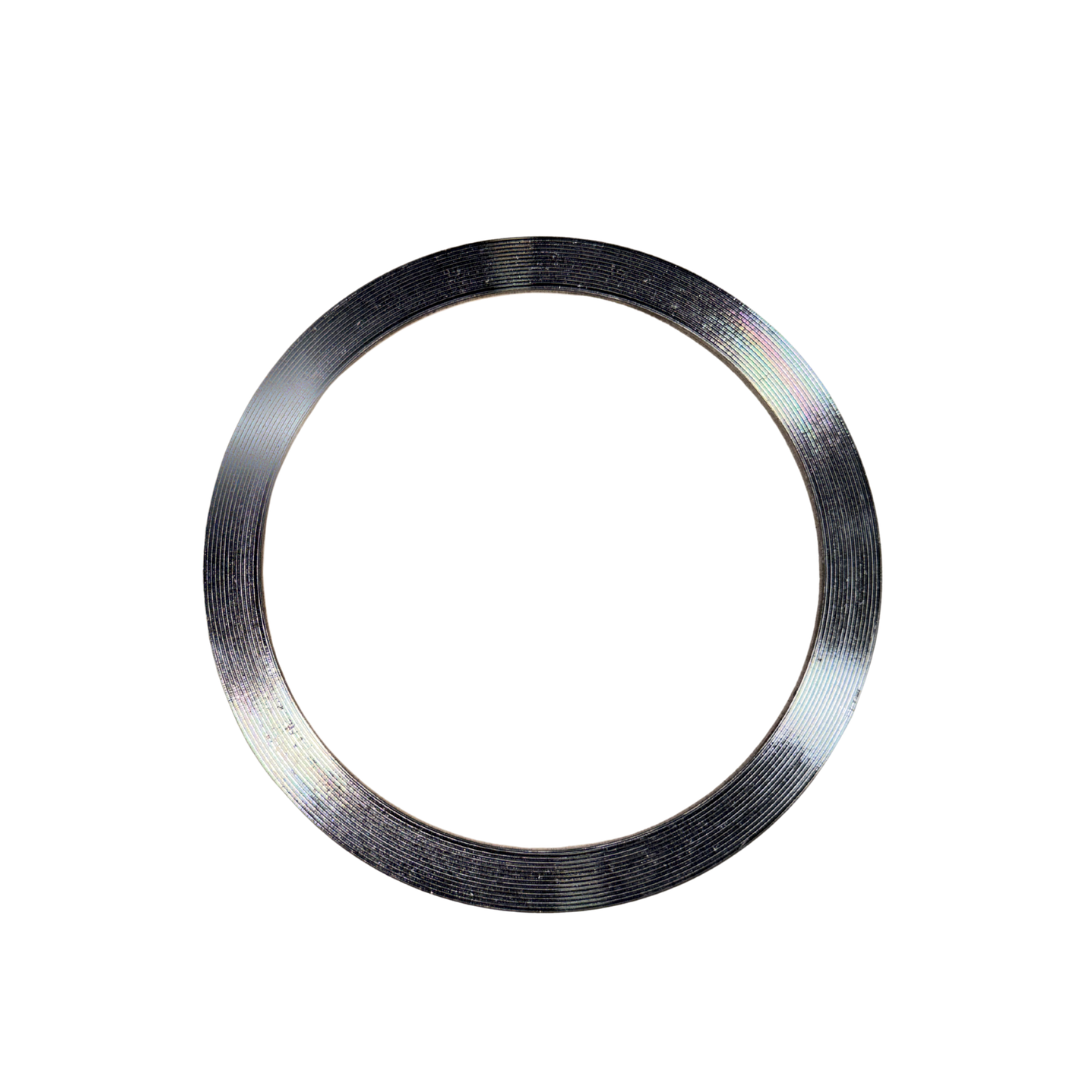
Metal Kammprofile Gasket
Precision-machined Kammprofile gasket designed for demanding industrial sealing applications.
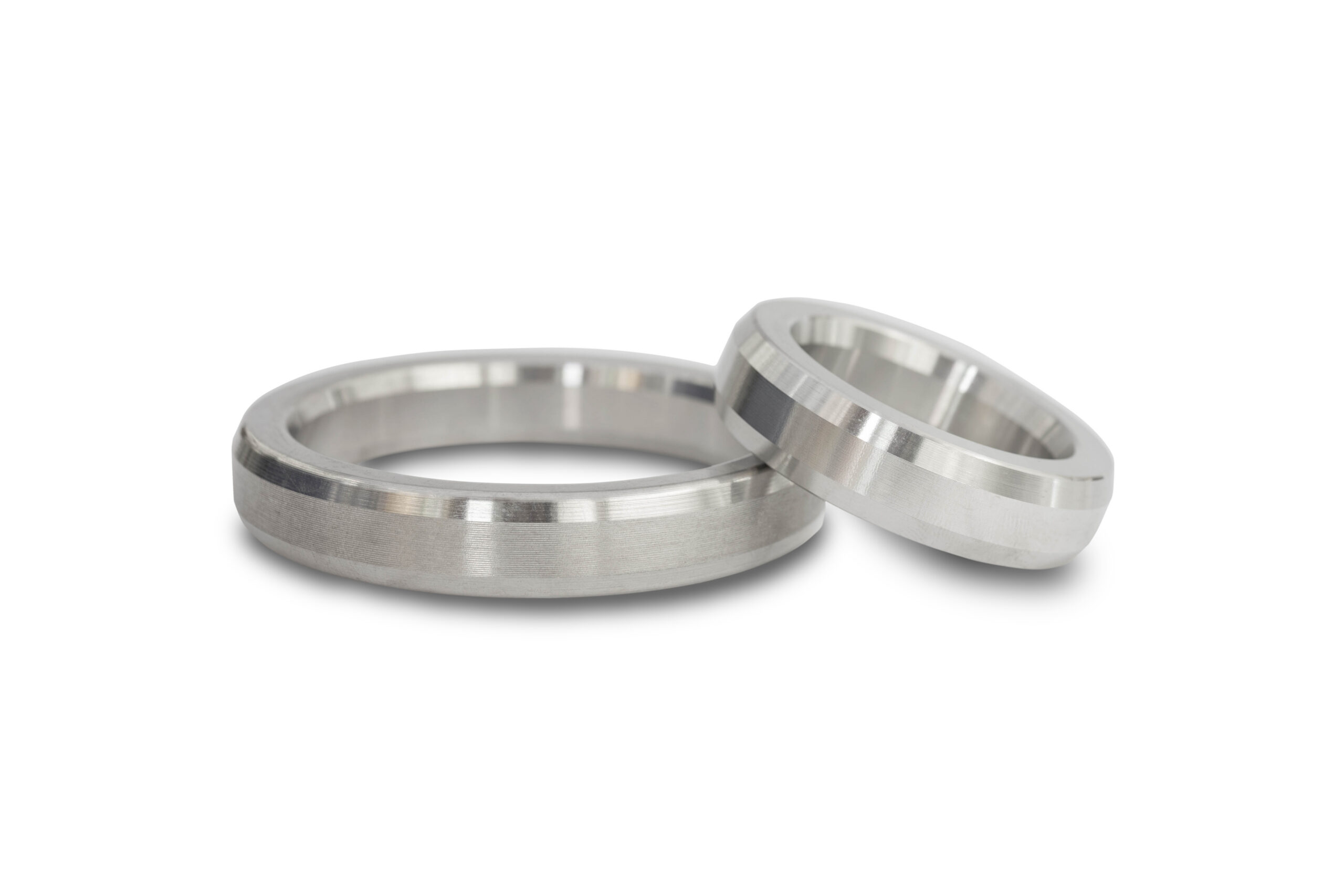
RTJ Ring Type Joint Gasket for High-Pressure Flange Sealing
RTJ gasket engineered for reliable metal-to-metal sealing in high-pressure industrial applications.
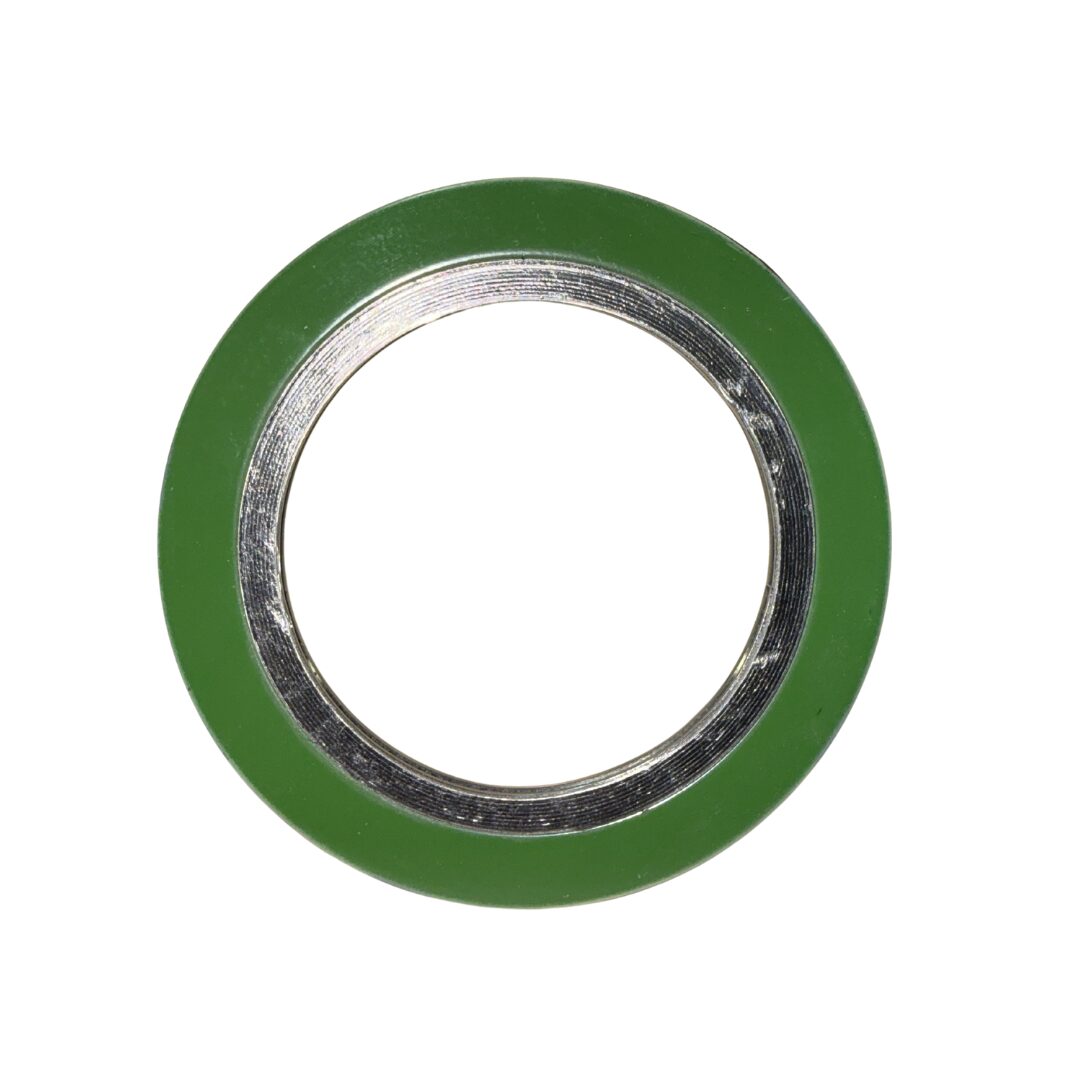
Spiral Wound Gasket for Industrial Flange Sealing
Spiral wound gaskets engineered for high-pressure flange connections